New Zealand is nearly tripling its tourist tax to help protect its natural environment and boost public services.
From 1 October, the fee will rise sharply from NZ$35 (€20) to NZ$100 (€56).
This is despite the fact that visitor numbers remain down since the pandemic, with government figures through June showing a recovery of around 84 per cent in 2024 versus the same period in 2019.
After imposing some of the harshest border restrictions in the world, the country emerged cautiously from COVID-19, taking the opportunity to shift to regenerative, sustainable travel.
Aiming to shake New Zealand’s popularity with budget backpackers, its tourism ministry announced plans to focus on higher-spending visitors who stay for longer periods.
Does New Zealand have an overtourism problem?
Before the pandemic, tourism was New Zealand’s largest export industry, employing 8.4 per cent of the country’s workforce and contributing around 6 per cent of GDP either directly or indirectly. In 2023, it was its second largest export.
Between 2016 and 2019, roughly 11 million visitors descended on the island-nation, which boasts a permanent population of just 5 million.
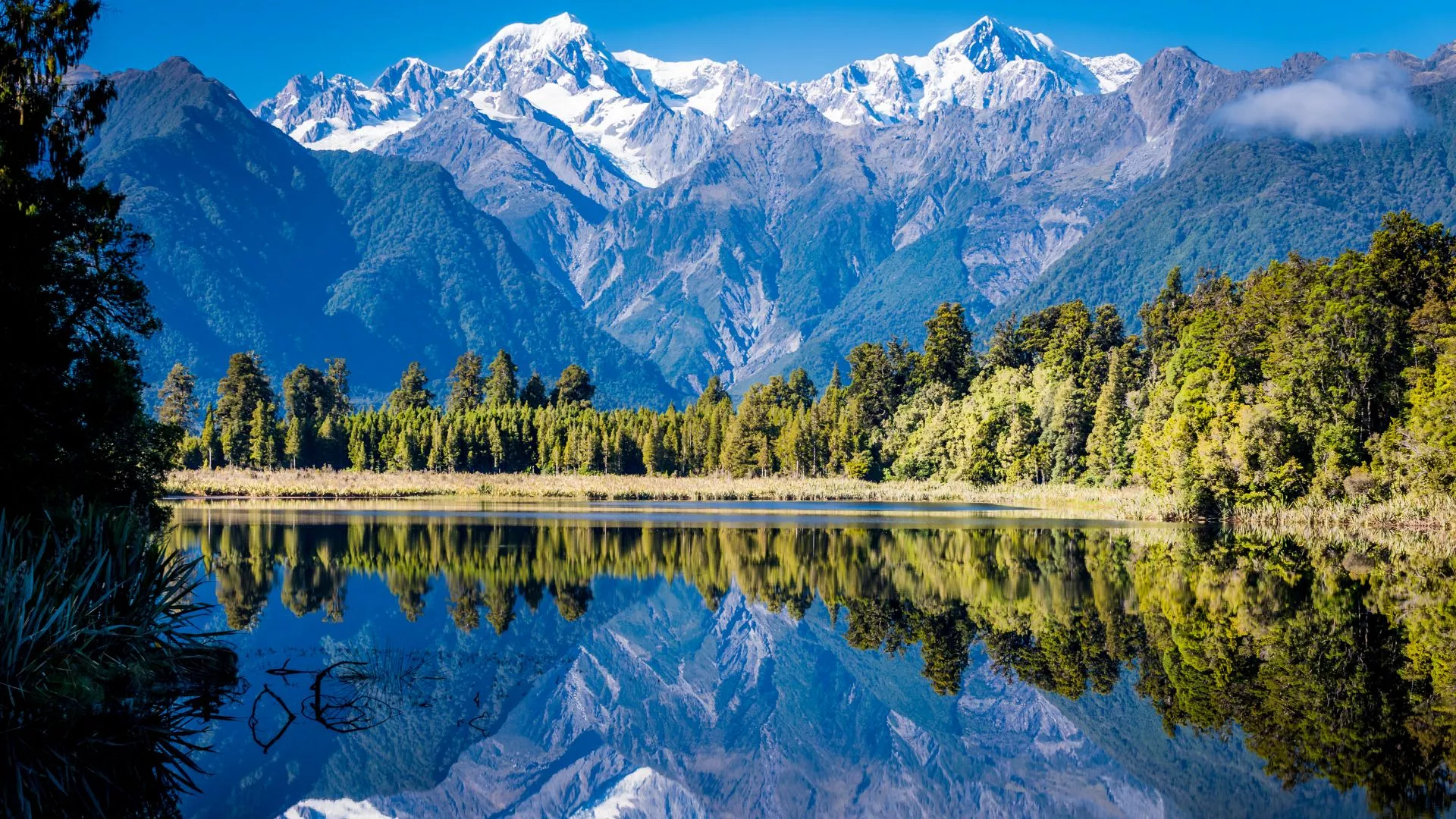
But the country’s popularity takes a toll on its delicate natural environment – one of its biggest draws.
Environmental degradation not only threatens New Zealand’s aesthetic and recreational appeal. It leaves it less resilient to disasters like flooding and wildfires, which the country is increasingly exposed to due to climate change and rural development.
Why is New Zealand increasing its tourism tax?
The higher tourism fees will partly be used to boost conservation initiatives that mitigate the impact of visitors.
New Zealand’s current NZ$35 International Visitor Conservation and Tourism Levy (IVL) was introduced in July 2019 to support the country’s natural heritage and infrastructure.
The flat rate fee must be paid by international visitors applying for an NZeTA (New Zealand Electronic Travel Authority) or tourist visa. Visitors from Australia and many Pacific Islands are exempt.
It has been used to fund projects ranging from habitat creation and pest eradication, to developing sustainable tourism activities and maintaining cycling trails.